Operational expertise applied at design time, so the capability you plan is the capability you get, including hazardous and remote test environments.
Manufacturers document the equipment and design firms draw the room, but neither lives in the lab once the install crew leaves. KCSC brings operational experience to the table before the concrete is poured, so the capability you plan is the capability you get, including hazardous and remote test environments. Once a system is in, KCSC also handles commissioning and ongoing shaker service.
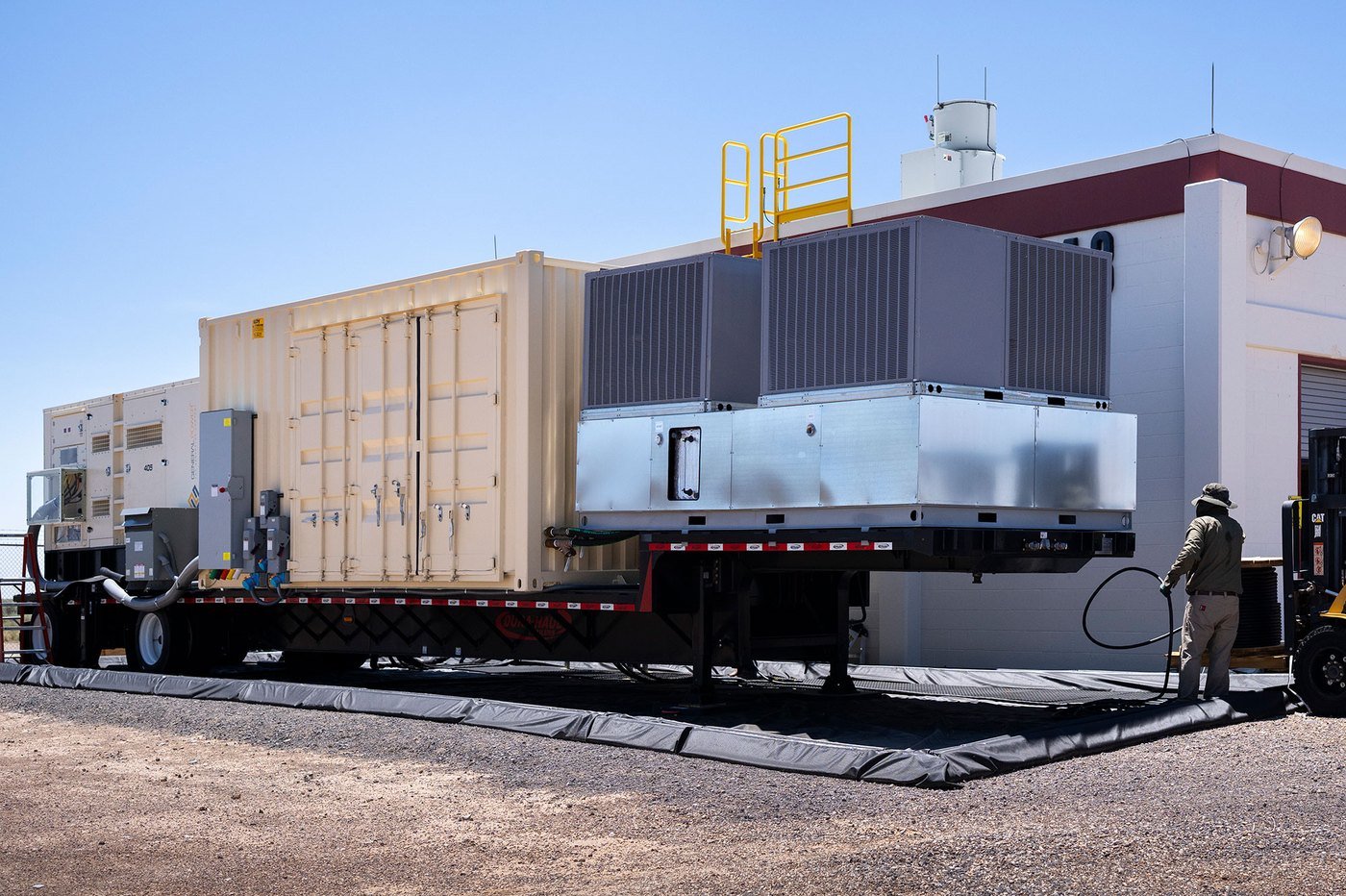
Most facility consultants have never operated in a high-hazard environment. KCSC has managed test programs where the articles were energetically significant, operations were remote, and the margin for error was zero. That experience translates directly into safer, more effective facility design.
The expensive mistakes in a vibration lab are made on paper, before anything is installed. KCSC reviews the plan the way an operator will use the room: where the equipment sits for safe access and maintenance, whether the utilities are sized for real operational loads rather than nameplate, how noise and vibration are isolated from the rest of the building, and how people and test articles actually move through the space. Catching those issues during design costs a conversation; catching them after the concrete is poured costs a rebuild.
During installation, KCSC provides oversight that protects the schedule and the result: sequence planning, alignment and leveling verification, review of cooling and utility connections, and control integration, leading into commissioning so the capability you planned is the capability you get on day one. The hazardous and remote operations experience described above becomes concrete design input rather than a generic checklist, and the same operational perspective carries into ongoing commissioning and shaker service once the system is running.
The cheapest time to get a vibration lab right is before it is built. Bring KCSC in early.